Portable toilets offer numerous eco-friendly advantages that significantly contribute to environmental conservation. One of the primary benefits is the reduction in water usage. On average, flush toilets can use up to 7 gallons of water per flush, while portable toilets typically use only a fraction of this amount. This significant conservation of water can lead to thousands of gallons saved annually, especially when utilized at large events or construction sites. Moreover, portable toilets prevent untreated human waste from contaminating groundwater, a crucial factor in maintaining the quality of local water sources. Another eco-friendly aspect involves waste collection and disposal. Portable toilets are designed to efficiently collect and contain waste, which is then transported to treatment facilities where it undergoes proper sanitation processes. This controlled disposal method minimizes the risk of environmental contamination. Additionally, modern portable toilets are built from recycled materials and are often recyclable themselves, reducing the demand for new resources. They're also designed with biodegradable deodorizers and cleaning agents that further lessen their impact on nature. Portable toilets also support sustainability goals by encouraging outdoor events and activities to take place in environmentally sensitive areas without the need for permanent infrastructure changes. By selecting portable sanitation solutions, event organizers and construction managers take a significant step toward sustainable operation and environmental responsibility.
Portable Toilet Rentals in Pelzer, South Carolina
Call today for a free quote (864) 477-7907
Portable Toilet
Fast, Easy, & 100% Free To Get Started
Over 20 Years Of Experience
For over 20 years, we have proudly served Pelzer as a reliable provider of portable toilet services. Our deep community roots drive us to deliver quality products and outstanding service, ensuring we meet all your sanitation requirements with excellence.
Unmatched Quality Service
Our portable toilet solutions are designed with quality at their core, ensuring clean, comfortable, and reliable service for all occasions. We are committed to delivering top-notch sanitation solutions that meet the highest standards, tailored to your specific event requirements.
Fast and Reliable Delivery
Enjoy fast and reliable delivery for our portable toilet rentals, ensuring they arrive on time and ready for use. Our dedicated team manages every aspect of transportation, providing you with peace of mind and efficient service.
Quality Portable Toilets in Pelzer
Call for a Free Quote Today
(864) 477-7907
At LittleJohn Toilets, we bring you reliable and hygienic portable toilet solutions, proudly serving Pelzer, South Carolina, and nearby communities. With a reputation for dependability and professionalism, we are a locally owned business offering a wide range of services. From construction sites to parties, festivals, and weddings, our commitment is to ensure clean and comfortable restroom solutions for all your event needs. Whether it's supporting large festival crowds or intimate family gatherings, we understand the importance of hassle-free sanitation. Our team is dedicated to providing exceptional service, aiming to exceed your expectations with every rental. Choose us for peace of mind, knowing that your guests' comfort is our top priority.
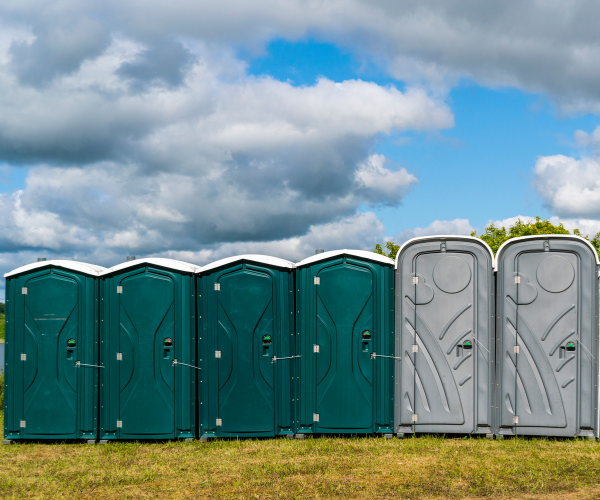
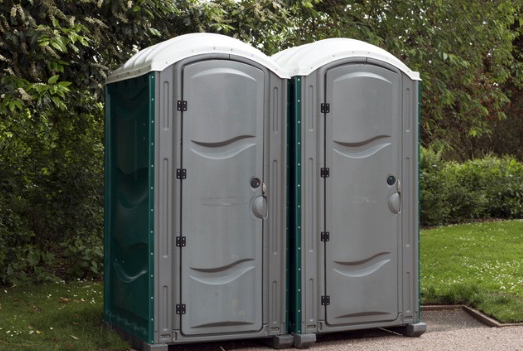
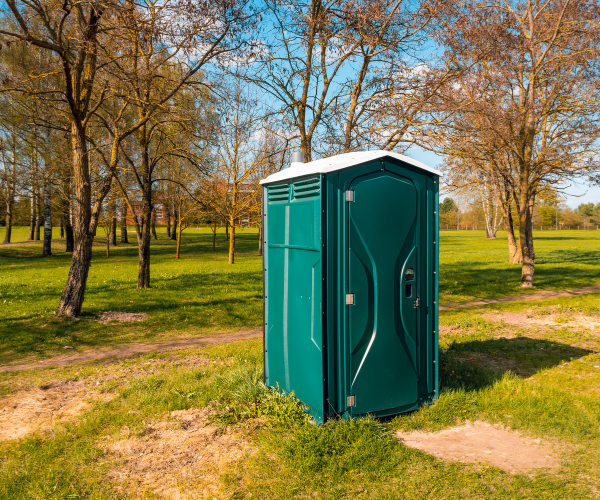
Our standard porta john rental units are durable and reliable for any commercial build site, housing development, public works project, or remodel job.Features include dome lighting, grated floors, and an “In-Use” locking mechanism for privacy and comfort. Regularly maintained, inspected, and cleaned by FusionSite at your location.
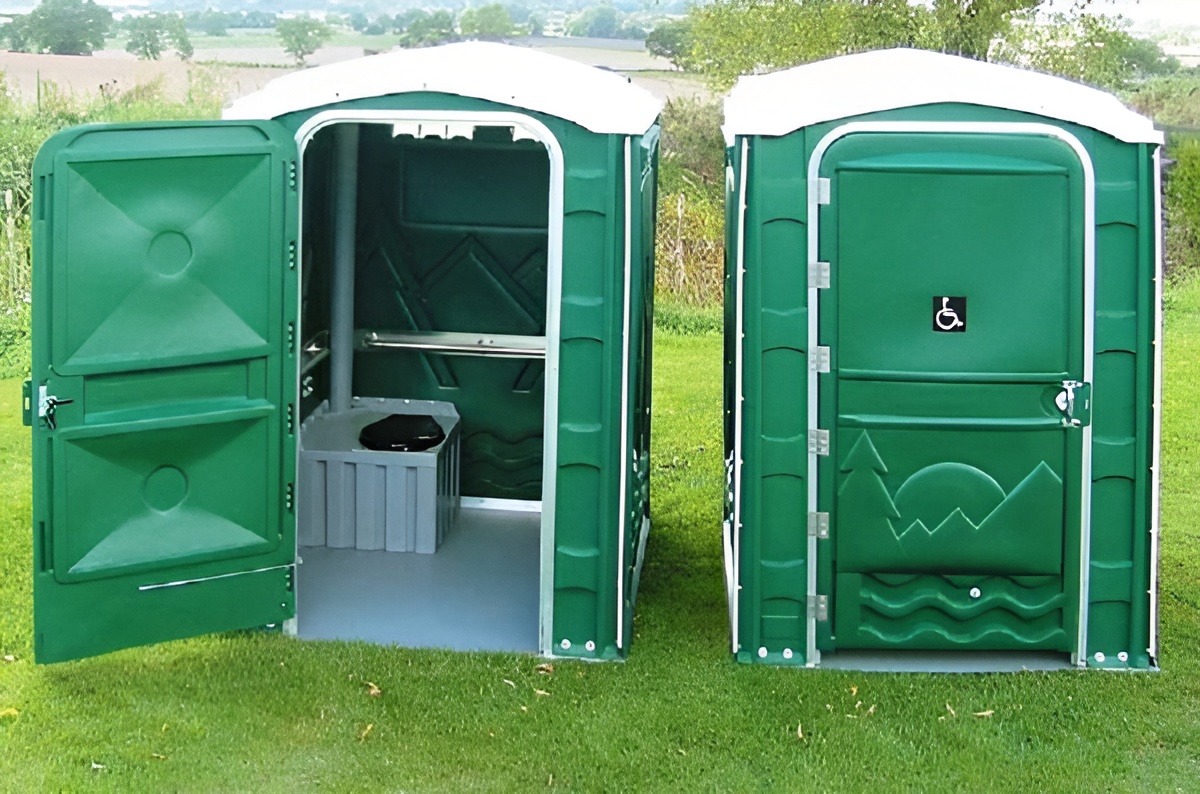
Developed as an alternative to full ADA-compliant restrooms, the Liberty is a spacious, wheelchair-accessible unit that can also be promoted as a family-sized restroom. Includes a patented flat-floor system for easy wheelchair access and maneuverability.Handrails, paper holder, and rotary latch are designed for simple, intuitive end-user operation.
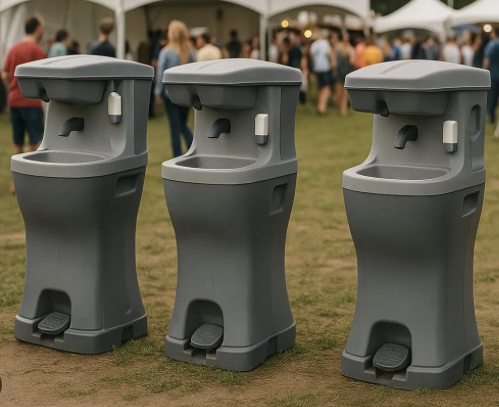
Portable hand washing stations are essential for keeping your work site sanitary and clean. Features hands-free foot pumps, liquid soap, and paper towels.Perfect for job sites without water hookups, these units can handle hundreds of washes between services.
We Proudly Serve
Standard Portable Toilets
Our standard portable toilets provide clean, functional, and essential restroom facilities ideal for any site in South Carolina.
High Rise Portable Toilets
High-rise portable toilets tailored for Pelzer's construction projects, ensuring convenience at elevated work levels.
Restroom Trailers
LittleJohn Toilets offers upscale restroom trailers in Pelzer, combining luxury and practicality for any event.
Roll off Dumpsters
Our roll-off dumpsters in Pelzer are perfect for site cleanup and waste management, offering reliability and efficiency.
Septic Tank Cleaning
Professional septic tank cleaning services are available at LittleJohn Toilets throughout South Carolina, ensuring system longevity.
Grease Trap Cleaning
Efficient grease trap cleaning service in Pelzer keeps your systems running smoothly and complies with local regulations.
Fencing & Barricades
Reliable and sturdy fencing & barricades service by LittleJohn Toilets, enhancing safety and organization for any event in South Carolina.
Residential Storage
Secure and accessible residential storage is available in Pelzer, offering flexible solutions for your storage needs.
Pelzer Portable Toilet and Event Services
Experience the convenience of obtaining a quote and quick delivery for your portable toilet needs through our streamlined process. Our website makes it easy to get started—simply fill out the form with your contact details at both the top and bottom of our pages, or click on the 'Get A Quote' buttons located throughout. We require just your first name, last name, phone number, and email to begin. Our dedicated team promptly reviews your request to ensure a smooth experience from start to finish. We pride ourselves on not only offering competitive rates but also ensuring your delivery is timely and aligned with your event's specific needs. Whether it's for a construction site, wedding, festival, or private gathering, our portable toilets are delivered promptly and set up professionally to meet any timeline. Opt for our services and save yourself from the common hassles often associated with rental logistics, focusing instead on enjoying a successful and stress-free event.
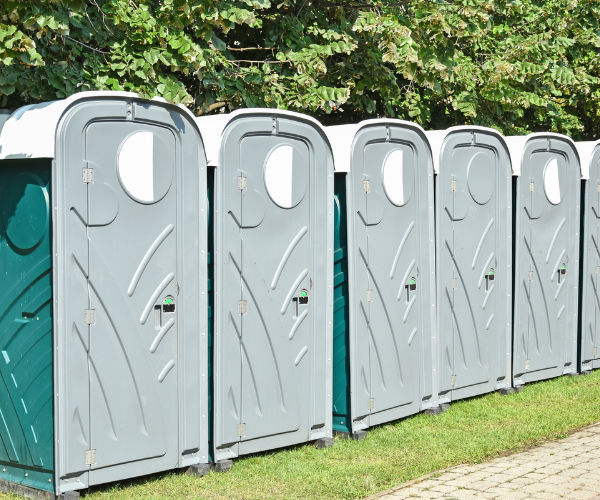
Enjoy the charming local appeal of Pelzer, with its diverse landscapes and vibrant community events such as the annual Pelzer Fall Festival. Our portable toilet services offer essential convenience for outdoor attractions and events, ensuring comfort and sanitation for your guests. LittleJohn Toilets is committed to providing reliable and clean facilities that uphold the welcoming nature of Pelzer, just a short distance from the historic Saluda River. Whether hosting an intimate gathering or a large community festival, our services are tailored to enhance guest experiences with clean, dependable portable toilets. We're here to support all kinds of events, making us Pelzer's top choice for portable sanitation needs, dedicated to excellence and customer satisfaction.
Top Choice in PelzerLittleJohn Toilets stands out in Pelzer with a steadfast commitment to quality portable toilet rentals. Our team, deeply connected to the community, provides personalized services that capture local charm while addressing varied event requirements. Choose LittleJohn Toilets for dependable service and professionalism, ensuring every local celebration is smooth and successful.
Fast, Reliable ServicesCount on LittleJohn Toilets for quick, dependable portable toilet services. We guarantee that every portable restroom meets rigorous standards and arrives promptly, tailor-made for any event or job site in Pelzer. Our unwavering dedication to speed and reliability positions us as the preferred choice for all your sanitation needs.
Discover Portable Toilet Solutions in Pelzer
Renting a portable toilet in Pelzer is straightforward and user-friendly, thanks to our easy-online process. Start by visiting our website, where you will find forms conveniently located at the top and bottom of the page. Filling out these forms is simple; we require basic details such as your first name, last name, phone number, and email to proceed. In addition, strategically placed 'Get A Quote' buttons throughout the website make it even easier to start your rental process. Just click, enter your details, and our team will take care of the rest. We prioritize swift communication and personalized service, tailoring our offerings to meet the specific needs of your event or project. Once we receive your details, one of our friendly representatives will reach out promptly to discuss logistics, ensuring accuracy and efficiency in finalizing your rental arrangement. We pride ourselves on minimizing complexity and time, allowing you to focus more on your event planning. Let us handle the sanitation aspects effortlessly and professionally.
The typical delivery timeframe for portable toilet orders is designed to accommodate your schedule with maximum efficiency. Once you place an order with us, our team immediately sets into motion a seamless logistics plan to ensure prompt delivery. For most standard orders, we strive for a 24 to 48-hour delivery window. However, we understand that every event or project is unique, and we are fully committed to meeting your specific needs within your desired timeline. Our extensive network allows for expedited deliveries, especially for urgent requests, ensuring that even those last-minute plans are well-supported. Communication is key, and our customer service representatives provide regular updates throughout the ordering process, granting peace of mind and transparency in tracking your order. Trust our experience and commitment to reliability, as our high standards in punctuality and service make us a leader in the portable sanitation industry. Your timely satisfaction is our goal, and we work tirelessly to make it a reality.
Yes, we are equipped to service all types of events and construction services with our diverse range of portable sanitation solutions. Whether you're planning a festival, a sporting event, a wedding, or a corporate gathering, we have the resources and expertise to enhance your convenience and experience. Our product offerings include luxury restroom trailers, standard porta-potties, roll-off dumpsters, fencing and barricades, holding tanks, ADA-compliant units, portable sinks, and hand sanitizer stations. These options allow us to cater to events of all sizes and requirements. Furthermore, our experienced team is adept at tailoring solutions to specific event needs, ensuring that your guests or workers have access to clean and reliable restrooms. We pride ourselves on flexibility and customer-centric service, providing quality products that meet the highest industry standards. When it comes to sanitation, leave nothing to chance—partner with us for a smooth, efficient solution that promises satisfaction.