Utilizing portable toilets offers significant eco-friendly benefits that make them a sustainable choice for any event or construction project. One of the key advantages is their water-saving design; unlike traditional toilets, portable units rely on minimal water usage or employ chemical treatments, reducing the environmental impact. Further, systematically collected waste is treated more efficiently at specialized facilities, which mitigates the risk of environmental contamination. This contrasts starkly with conventional sewage systems, where leaks and overflows can often lead to harmful runoff. Additionally, portable toilets support a reduction in energy usage as they are typically designed to operate without electricity, relying instead on manual systems and natural ventilation. The modern design of these units has evolved to include eco-friendly materials that are often biodegradable or recyclable, contributing to a lesser carbon footprint. Furthermore, many service providers are committed to employing green cleaning practices, utilizing biodegradable cleaning agents, thus promoting health while maintaining environmental integrity. Overall, the strategic implementation of portable toilets in events or job sites not only addresses immediate sanitation needs but also reflects a conscious effort to minimize environmental impact. By choosing portable sanitation, communities and organizations demonstrate an adaptable approach towards resources, sustainability, and the essential balance of entertainment or productivity and ecological preservation.

Portable Toilet Rentals in Honea Path, South Carolina
Call today for a free quote (864) 477-7907
Portable Toilet
Fast, Easy, & 100% Free To Get Started
Decades of Excellence
Having served Honea Path for over 30 years, we offer unparalleled service quality, reflecting our strong community commitment. Our reputation for excellence and customer satisfaction underscores our deep local connections and steadfast dedication to exceptional service.
Commitment to Quality
Our portable toilet solutions prioritize both cleanliness and functionality, ensuring unmatched quality. From high-traffic events to construction sites, your sanitation needs will always be impeccably met, thanks to our attentive service team.
Swift and Timely Delivery
Our commitment to fast and reliable delivery means your portable toilets are where you need them when you need them. We handle logistics so you can focus on planning your event or project without worry.
Convenient Portable Toilet Solutions in Honea Path
Call for a Free Quote Today
(864) 477-7907
Welcome to your local solution for premium portable toilet rentals, serving Honea Path, South Carolina, and nearby regions. We are a family-owned and operated business, proud to offer dependability and reliability right in your neighborhood. Whether managing construction projects, hosting festive outdoor events, celebrating weddings, or throwing backyard parties, we provide top-notch portable sanitation solutions tailored to meet your every need. Our team ensures clean, well-maintained units arrive promptly, offering a stress-free experience and peace of mind. Trust our exceptional service to enhance any event, making us the preferred choice for portable restrooms in the area.
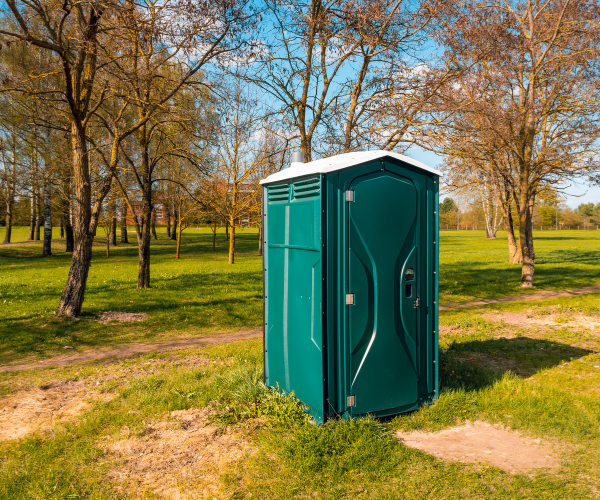
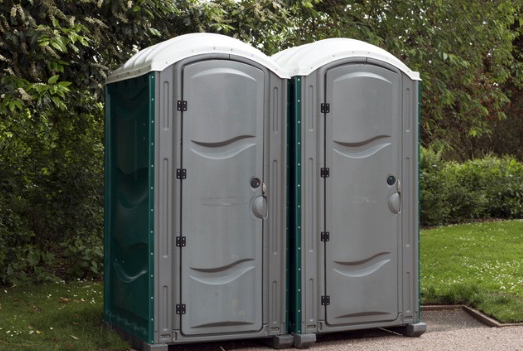
Our standard porta john rental units are durable and reliable for any commercial build site, housing development, public works project, or remodel job.Features include dome lighting, grated floors, and an “In-Use” locking mechanism for privacy and comfort. Regularly maintained, inspected, and cleaned by FusionSite at your location.
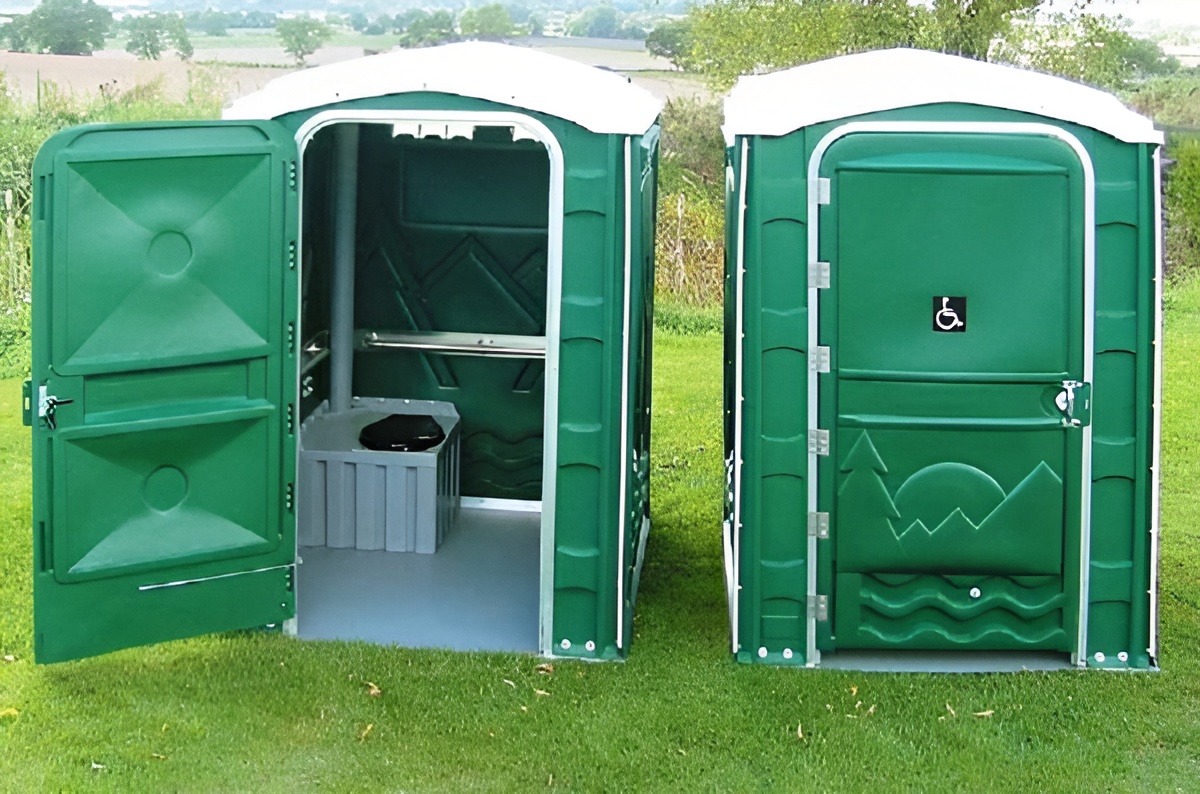
Developed as an alternative to full ADA-compliant restrooms, the Liberty is a spacious, wheelchair-accessible unit that can also be promoted as a family-sized restroom. Includes a patented flat-floor system for easy wheelchair access and maneuverability.Handrails, paper holder, and rotary latch are designed for simple, intuitive end-user operation.
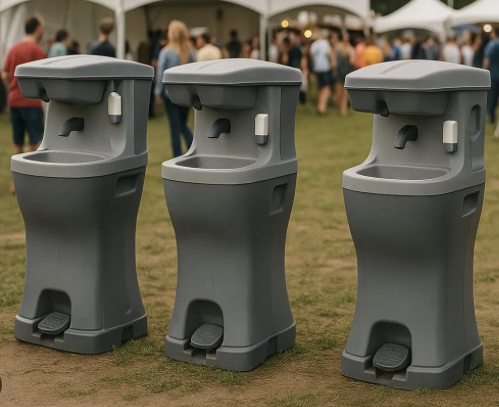
Portable hand washing stations are essential for keeping your work site sanitary and clean. Features hands-free foot pumps, liquid soap, and paper towels.Perfect for job sites without water hookups, these units can handle hundreds of washes between services.
We Proudly Serve
Standard Portable Toilets
Our Standard Portable Toilets in South Carolina offer clean and convenient sanitation solutions tailored to any event or project.
High Rise Portable Toilets
Experience efficient hygiene solutions with our High Rise Portable Toilets, perfect for multistory constructions in Honea Path.
Restroom Trailers
Our Restroom Trailers at LittleJohn Toilets provide top-tier luxury facilities for premier events in Honea Path.
Roll off Dumpsters
LittleJohn Toilets offers dependable Roll off Dumpsters for all your waste management needs in Honea Path.
Septic Tank Cleaning
Our expert Septic Tank Cleaning services at LittleJohn Toilets ensure your systems run smoothly and efficiently across South Carolina.
Grease Trap Cleaning
Ensure optimal kitchen safety and efficiency with our reliable Grease Trap Cleaning service in Honea Path, South Carolina.
Fencing & Barricades
LittleJohn Toilets provides secure Fencing & Barricades services, customizable for events and projects across South Carolina.
Residential Storage
Our Residential Storage service in Honea Path offers safe and secure storage solutions tailored to your family's needs.
Honea Path Portable Toilets and More
At our company, requesting a quote for a portable toilet rental is as simple and convenient as can be. Gone are the days of complicated processes; with just a click on the 'Get A Quote' button located on our site, you can quickly convey your needs. Our user-friendly forms—positioned strategically at both the top and bottom of the page—ask for only essential information: your first name, last name, phone number, and email. This streamlined approach ensures you receive a comprehensive service quote tailored to your unique requirements, without the hassle. Once your request has been submitted, our expert team kicks into action, promptly gathering all details necessary to guarantee that we provide the best service at the best price. Furthermore, our proximity to Honea Path enables us to offer delivery that aligns perfectly with your timetable, ensuring your event or project proceeds smoothly. Whether you're organizing a community festival, managing a construction site, or hosting a private gathering, our reliable, local, and efficient service guarantees satisfaction. We pride ourselves on understanding the needs of the Honea Path community, which allows us to deliver exceptional experiences from start to finish.
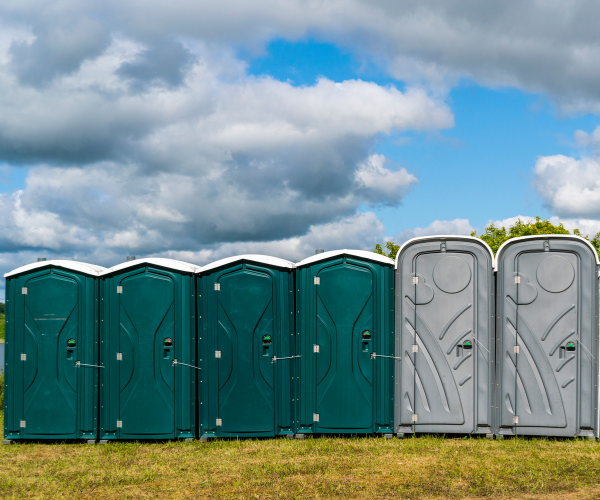
Nestled in the heart of Honea Path, our portable toilet services embody the region's charm and hospitality. Whether you're planning an event amidst South Carolina's picturesque outdoor venues like the historic downtown area or capitalizing on vibrant community gatherings such as the annual Honea Path Pumpkin Festival, the convenience of our clean and reliable portable toilets cannot be overstated. Our services are tailored to accommodate the diverse needs of Honea Path events, from rustic weddings and spirited festivals to construction projects in need of dependable sanitation. By choosing us, you're choosing a company that champions community spirit while upholding the highest standards of service. Let our portable toilets enhance your outdoor excursions or local festivities, providing an understated yet essential service. Our dedicated team ensures that each unit is meticulously maintained, reflecting both the beauty of our surroundings and our commitment to excellence.
Choosing our company as your provider of portable toilet services in Honea Path means choosing excellence and reliability. We pride ourselves on comprehensive service offerings tailored to fit the unique needs of every client, leveraging our extensive local knowledge to deliver satisfaction every time. Our commitment to cleanliness and customer service ensures that each rental experience is effortless, with equipment that is always sanitized and service that is always prompt. Trust us to elevate your events by providing sanitation solutions that embody quality and care. Experience the difference of a service provider that genuinely understands local preferences and requirements while advancing modern solutions. Join countless others in the community who have already discovered why our services stand head and shoulders above the rest.
Our portable toilet services are synonymous with speed and reliability, leaving no room for compromise. From the moment you make a request, our detailed yet efficient rental process kicks into action, guaranteeing swift delivery. We understand the value of time in event planning and project management, and our team commits to timeliness without sacrificing quality. Supported by a fleet of modern units and a professional team, our deliveries across Honea Path are backed by a commitment to meet your needs promptly and efficiently, reinforcing trust and satisfaction.
Honea Path: Learn More About Our Portable Toilet
Renting a portable toilet in Honea Path is not only straightforward but also efficient. First, navigate to our website where you'll observe 'Get A Quote' buttons prominently displayed across various pages for easy access. By clicking these buttons, you can initiate the rental process. These forms, found at the top and bottom of our website pages, require only basic information—your first name, last name, phone number, and email—to begin your request. Once you've submitted the form, our team takes pride in providing you with a detailed and non-obligatory quote without delay, ensuring transparency and competitive pricing.At every step, we prioritize your convenience and peace of mind, simplifying what can often be a complex process. Further discussions with our knowledgeable customer service representatives will refine your requirements, discuss delivery schedules, and address any specific concerns you may have about the types of units required. Our dedication to service guarantees that you will receive not just a product, but a personalized experience tailored to match the needs of your event or project. Rest assured that we have both your personal and logistic requirements covered, making portable toilet rental in Honea Path easier than ever.
Understanding the urgency often associated with portable toilet orders, we are committed to providing a reliable and timely delivery service. Generally, we ask for a minimum window of 24 to 48 hours for delivery to ensure perfect coordination of logistics. During peak times or for particularly large orders, we may require additional lead time to guarantee satisfaction, though our team will strive to accommodate shorter notice requests whenever feasible. Our extensive fleet and experienced schedulers ensure that even during the busiest seasons, our customers can rely on consistent delivery timelines. The key to our success is flexibility, enhanced by careful route planning and preemptive communication with clients. This ensures effective management of expectations and alleviates the likelihood of surprise delays. Rest assured, we respect the timelines demanded by our clients' schedules, treating them as our own. With us, your peace of mind comes from knowing that all logistics are professionally managed and that your event or construction project will enjoy seamless service.
Yes, we are highly equipped to service virtually any type of event or construction requirement with our range of portable sanitation solutions. From vibrant festivals to formal weddings, dynamic sporting events to critical construction sites, our flexibility and service range meet diverse needs seamlessly. For luxury occasions, we offer upscale restroom trailers and deluxe porta potties. For construction projects, durable standard units and roll-off dumpsters ensure sanitary conditions and site cleanliness. We also feature specialized equipment like ADA units, portable sinks, and hand sanitizer stations to enhance accessibility and hygiene. Additionally, our fencing and barricade services are tailored to manage event spaces or site security effectively. Customization of our offerings allows us to deeply understand your unique requirements, delivering a personalized, reliable service that goes beyond standard expectations. Indeed, it affirms our commitment to inviting all events or projects into our fold, ensuring optimal sanitation solutions that elevate guest or worker experiences alike.